
Access cover installation:
choosing the right solution for your application


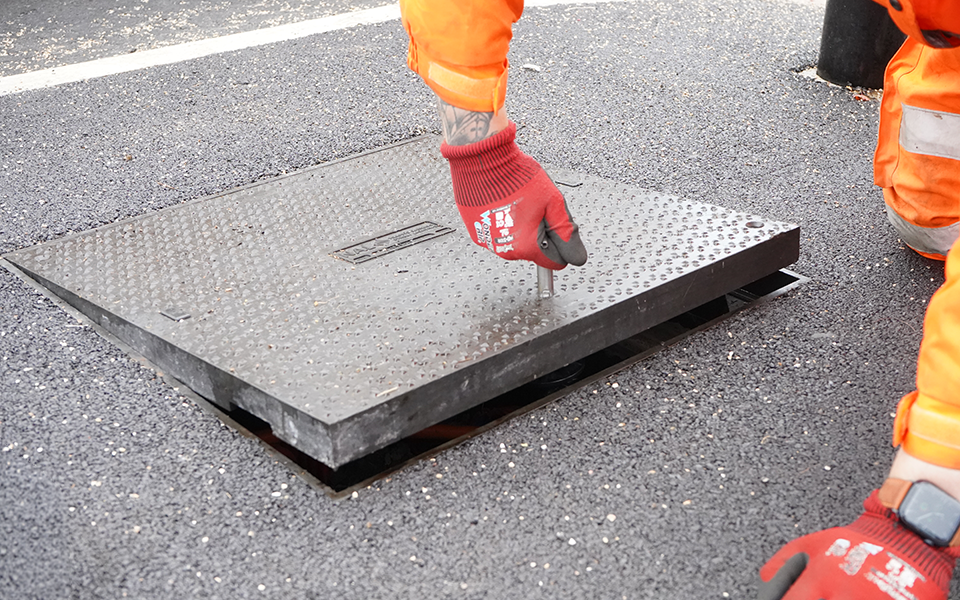
Access covers are a small but essential component of highways and street furniture infrastructure. Get the specification wrong, and the consequences extend far beyond the cover itself: increased maintenance costs, safety risks, operational disruption, and premature failure.
The right access cover installation depends on your specific application. Traffic signal access has different demands to urban city centre access, for example. Elsewhere, highways require different considerations to motorway communications equipment. Load ratings, security requirements, aesthetic integration, and maintenance access all play a role.
This overview explains our various options and helps you specify the most appropriate NAL access cover for your project.
What to evaluate when selecting access covers
-
1. Load capacity requirements
The cover must safely support anticipated loading conditions throughout its service life. At NAL, we manufacture access covers across the EN124 load spectrum:
- B125 (12.5 tonnes) for footways and verges
- C250 (25 tonnes) for occasional vehicle overrun
- D400 (40 tonnes) for carriageway installations and heavy goods vehicle traffic
-
2. Material characteristics
Different materials offer distinct access cover installation advantages. Composite (GRP) provides lightweight handling and radio transparency. Ductile iron offers maximum structural strength. So, your choice should reflect site-specific priorities around weight, signal permeability, and longevity.
-
3. Security considerations
Unauthorised access to street furniture equipment poses safety and operational risks. Evaluate whether standard lockable covers suffice, or if enhanced security mechanisms are justified. Also consider how security features affect legitimate maintenance access and manual handling for your teams.
-
4. Visual impact and streetscape
In pedestrianised zones, conservation areas, and high-quality public realm schemes, the visual presence of street furniture matters. Covers that accept infill materials can virtually disappear into paving schemes. Alternatively, standard composite covers provide a functional, cost-effective finish for less sensitive locations.
-
5. Operational access and handling
Maintenance frequency and team resources influence specification. Lightweight covers enable single-operative access without mechanical aids. Heavier covers will usually offer increased load bearing capacity.
Consider whether your maintenance regime benefits from quick-access mechanisms, and how cover weight affects both installation efficiency and ongoing operational costs.
EV Solutions




1. LIFTlock
Recommended for: traffic signal and street lighting access cover installations, and roadside equipment where security, safety and single-operative access is paramount . A highly useful, easy-install option popular with maintenance teams.
LIFTlock®2. Composite
Recommended for: Footway and verge installations. The default choice where lightweight access, minimal maintenance, and cost efficiency drive the specification.
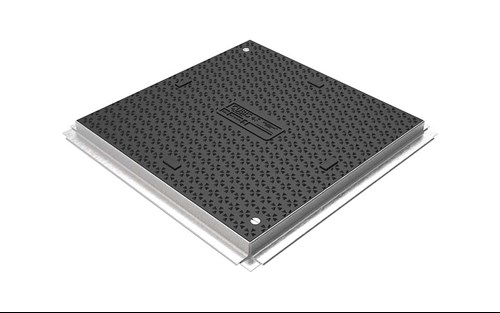
Composite Covers3. Recessed
Recommended for: Public realm projects, pedestrian priority streets, heritage areas, and landscaped schemes where visual integration is a design requirement. Holds BT Openreach approval and suits locations where planning or client specifications demand minimal street furniture visibility.
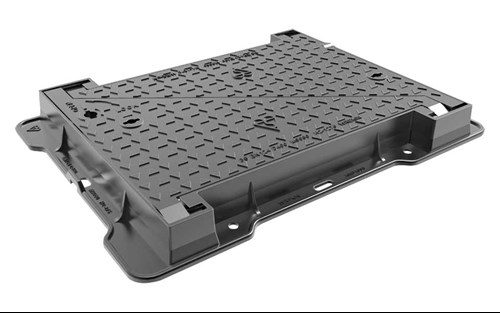
Recessed Covers4. Ductile iron
Recommended for: Carriageway installations requiring D400 rating, motorway infrastructure, and any location subject to frequent HGV loading. Also specified for B125/C250 applications where clients require traditional cast metal construction or maximum structural resilience.
Ductile Iron Covers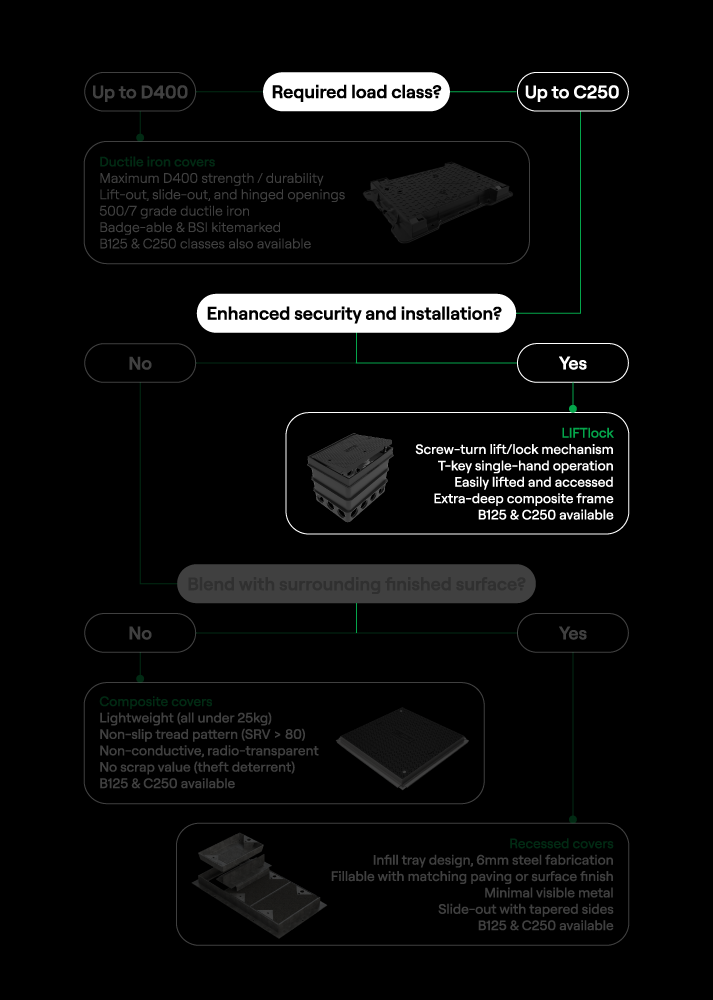
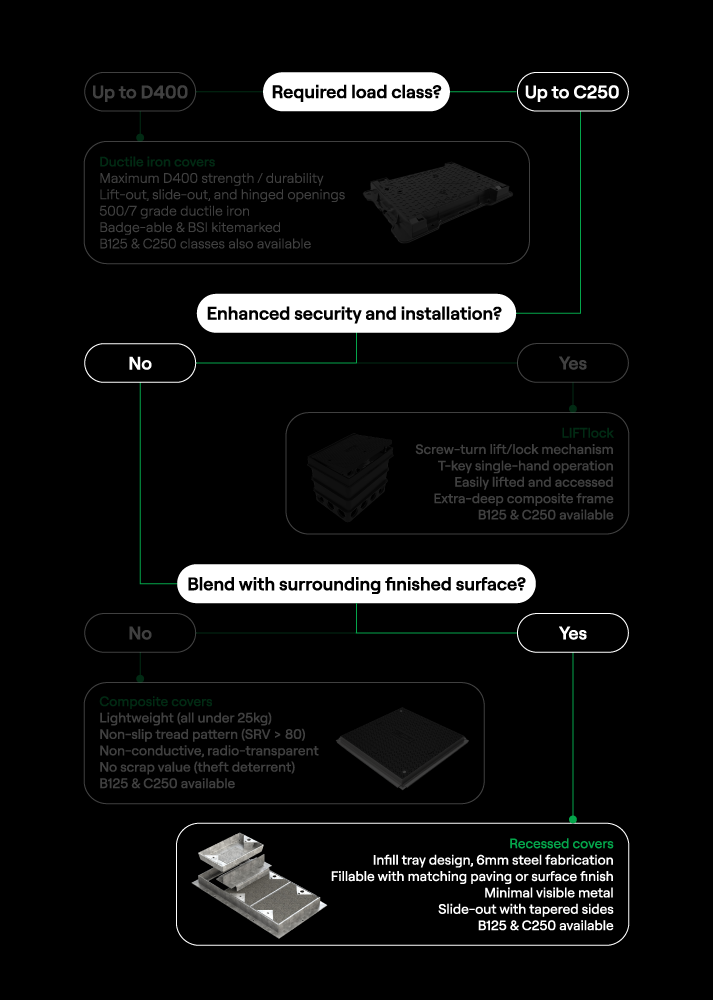
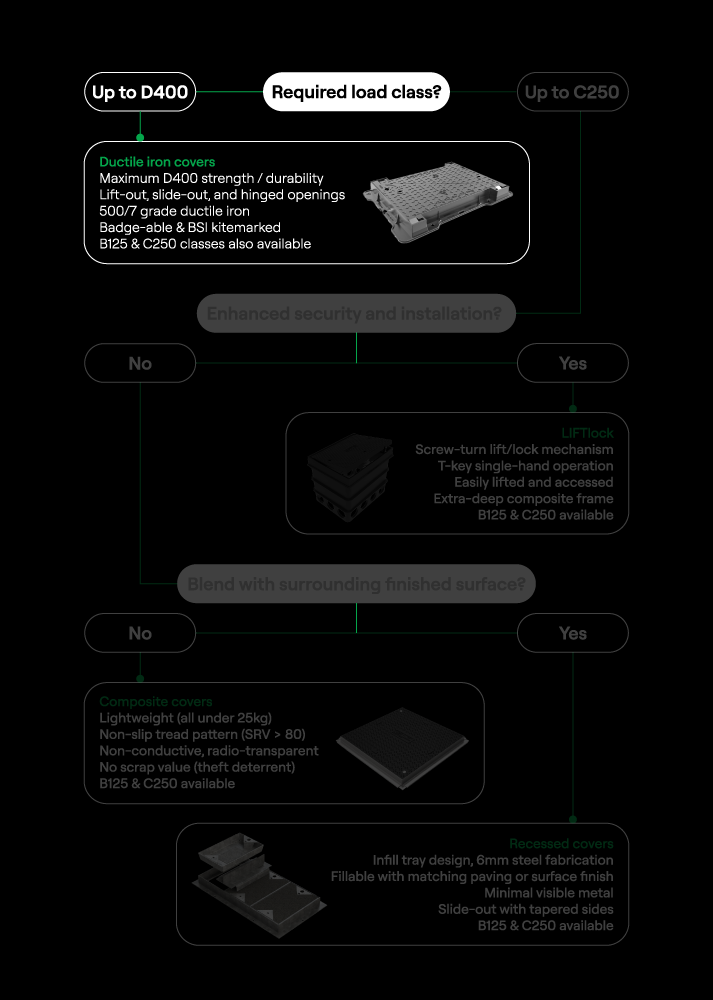
Access cover installation guide
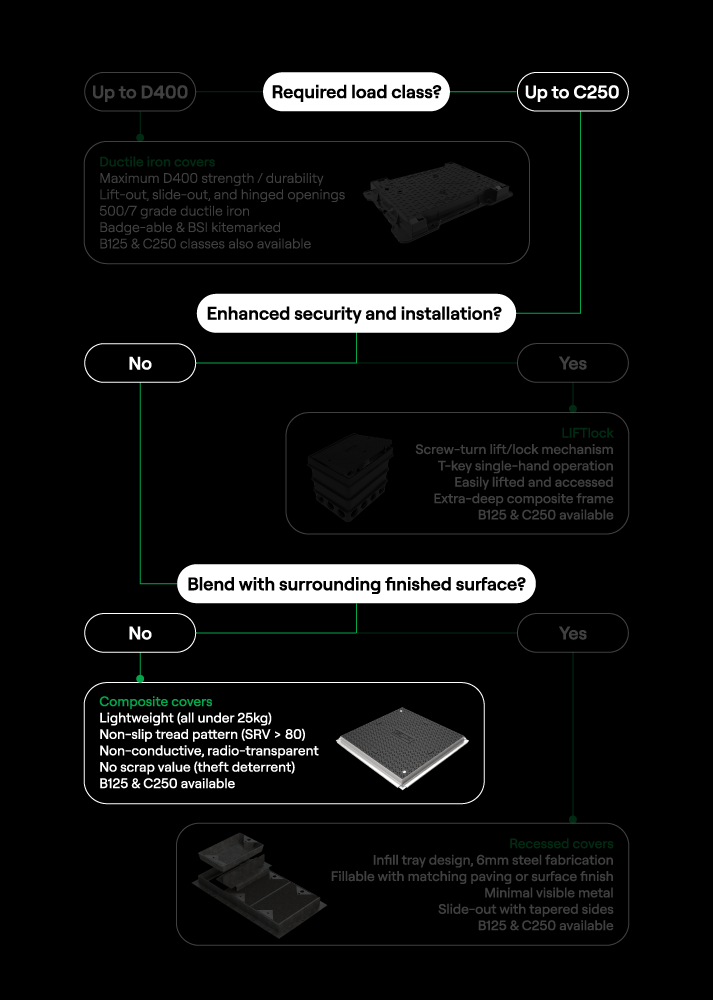
You can broadly match your project requirements to the most appropriate access cover product using these decision prompts:
-
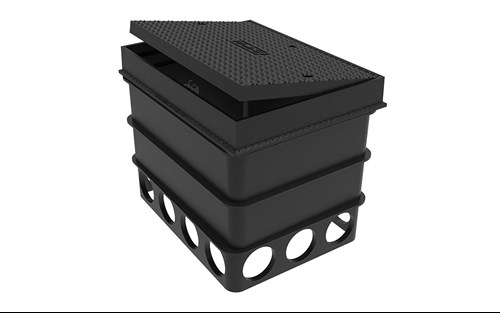
Security and controlled access are priorities?
Specify LIFTlock.
-
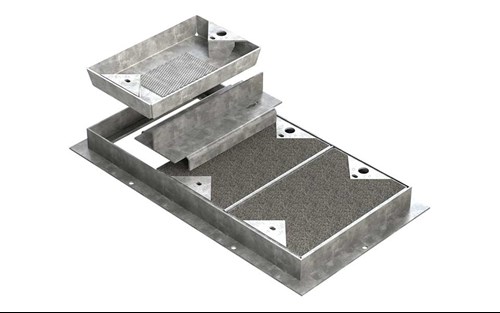
Visual integration with paving is required?
Specify recessed covers.
-
D400 load rating is necessary?
Specify ductile iron.
-
Lightweight, economical B125/C250 solution needed?
Specify composite.
This guide provides initial direction; every project has site-specific factors that influence the final specification. NAL's technical team offers specification support from concept design through to installation, ensuring you select the optimal solution for performance, cost, and compliance.
It’s also worth noting that all NAL access covers:
- Conform to EN124 standards
- Integrate seamlessly with the NAL STAKKAbox™ modular chamber system
- Are available in a range of sizes to suit your project needs
Get in touch to discuss your project requirements with NAL.