Improving maintenance efficiency and reduce long-term costs.
Swindon City Centre


Swindon Borough Council has invested in a comprehensive range of NAL retention socket solutions for highway applications in and around Swindon city centre, aiming to improve maintenance efficiency and reduce long-term costs.
Site challenges
This busy area serves as Swindon’s central hub for public transport, car parking, hotels, businesses, and retail parks, with the nearby A419 artery route connecting to the M4. As all local authorities know, managing and maintaining bustling city centres is a never-ending minefield of tasks; one department in particular understands this better than most: Highways. With drivers, cyclists, public transport, and couriers all navigating the city, vehicular collisions are inevitable. Approximately 36% of street furniture is damaged before reaching its intended lifespan, particularly at high-risk locations such as kerb edges, roundabouts, centre islands, and junctions. Bollards, guardrails, and signposts are the most frequently affected assets. These impacts significantly strain the maintenance budget. Traditional direct-buried street furniture requires time-consuming and costly excavation, new foundations, and immediate replacement with new assets set in concrete.
Solution
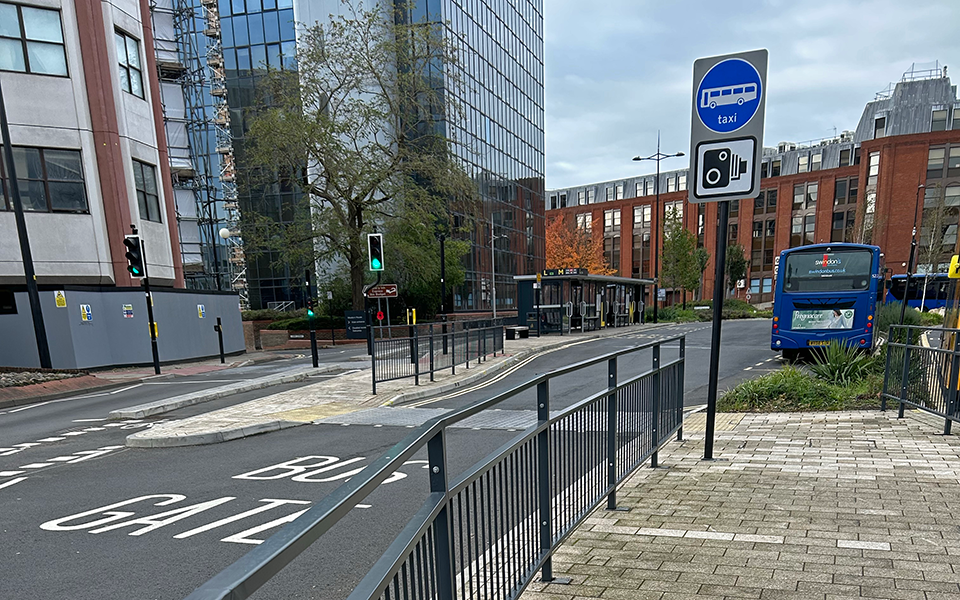
To address these issues, Swindon Borough Council implemented NAL’s retention socket foundations for various kerb-edge applications. These included guardrails and signage near pavements and bus stops, as well as steel bollards to prevent unauthorised vehicle access.
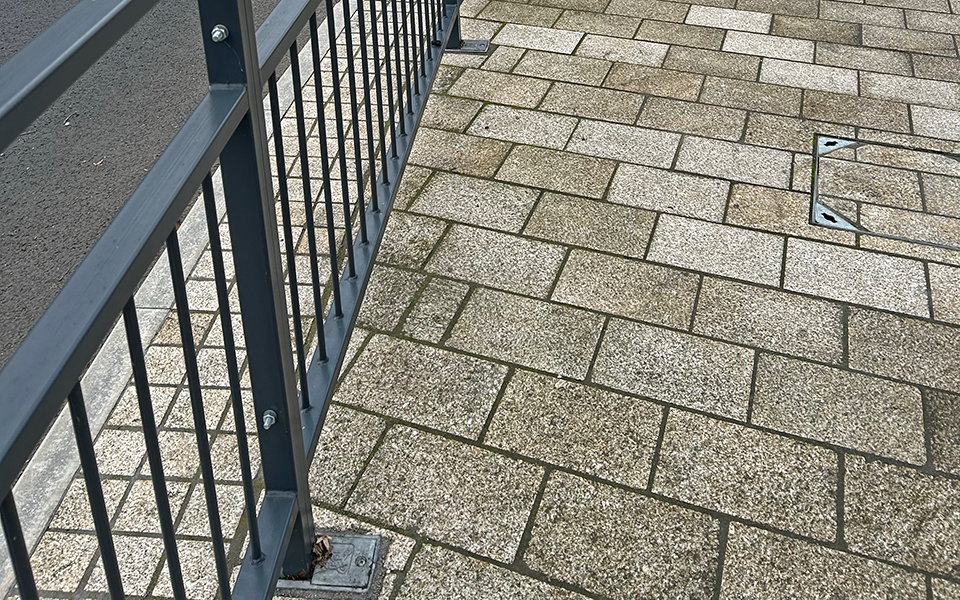
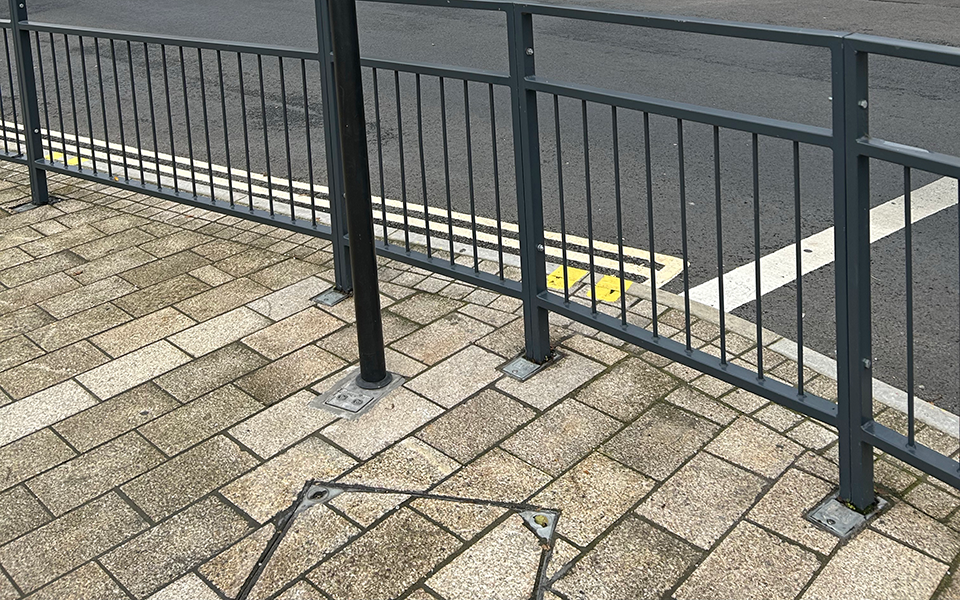
The PG2-style guardrail was installed using NAL’s 50x60mm retention sockets. Where 2 sections of railing meet, a single socket accepts both of the joining legs. For end sections, a supplied 50x30mm steel insert fills the gap.
The client installed signage posts featuring bus lane, speed camera, no vehicle access, and stop signs in 76mm retention sockets. A key benefit of socket-installed posts is the ability to adjust orientation. Once the sign face is attached, the post is placed into the socket and rotated to the correct direction, then locked into place, all safely from ground level.
Finally, the most impacted asset of all: the bollard.
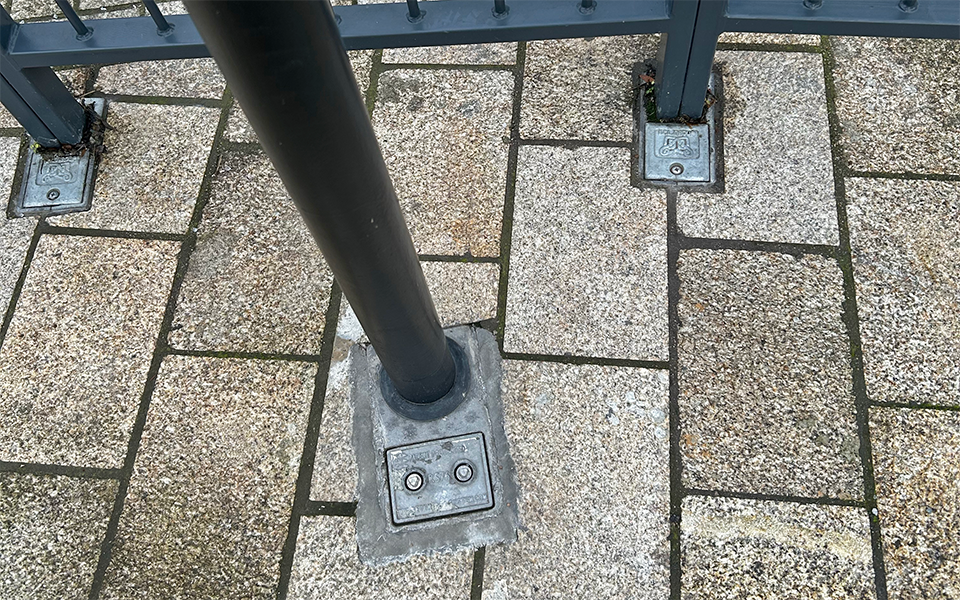
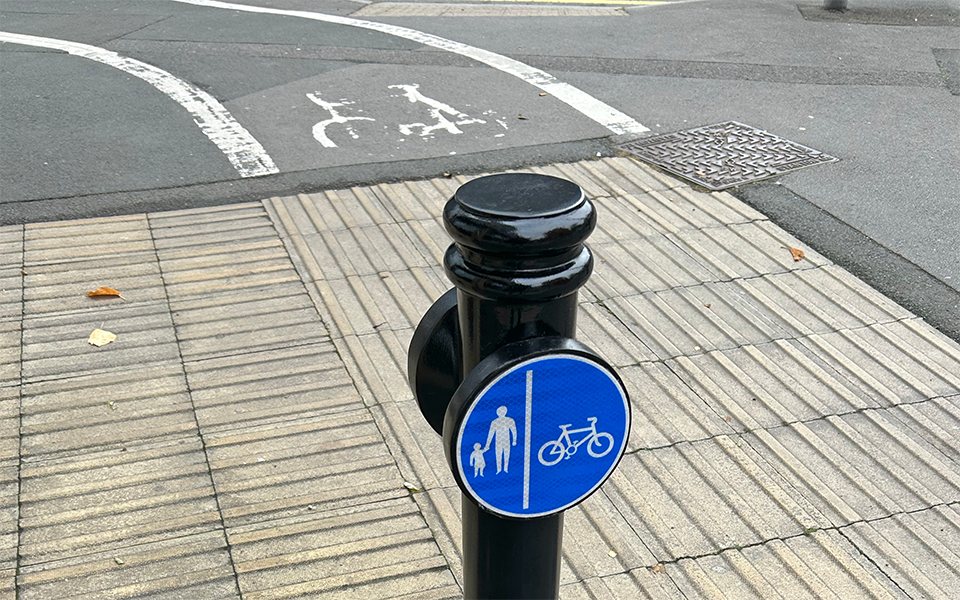
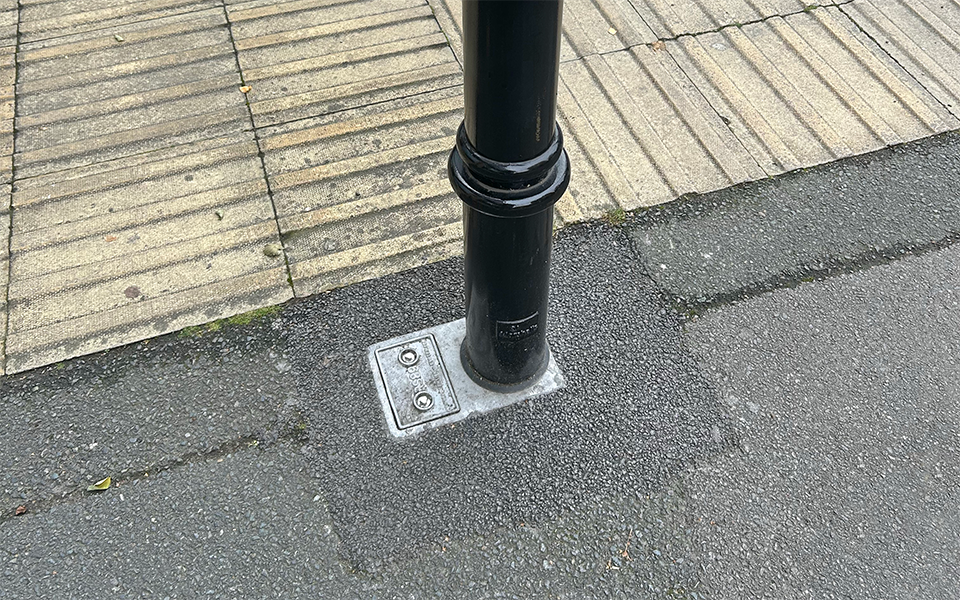
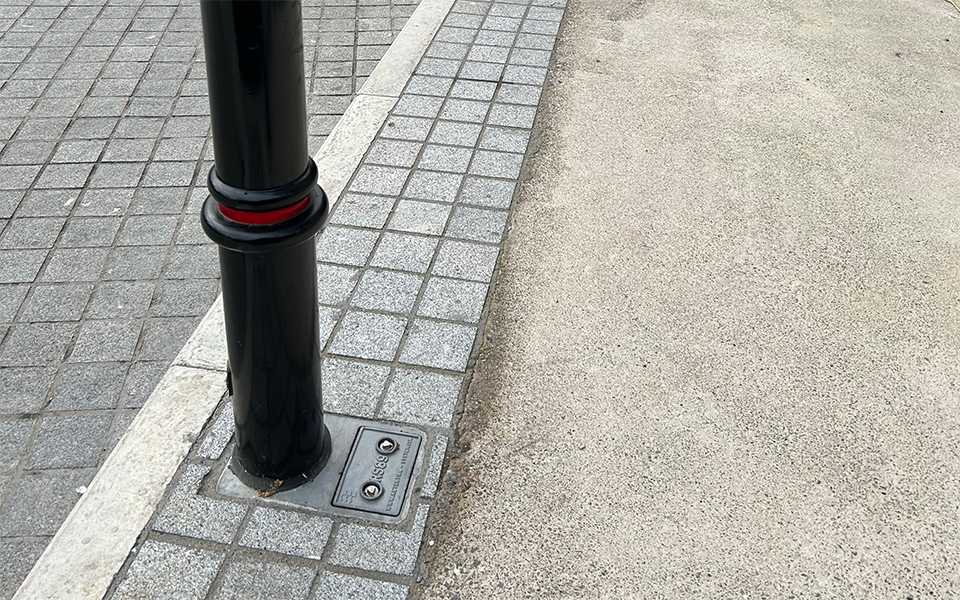
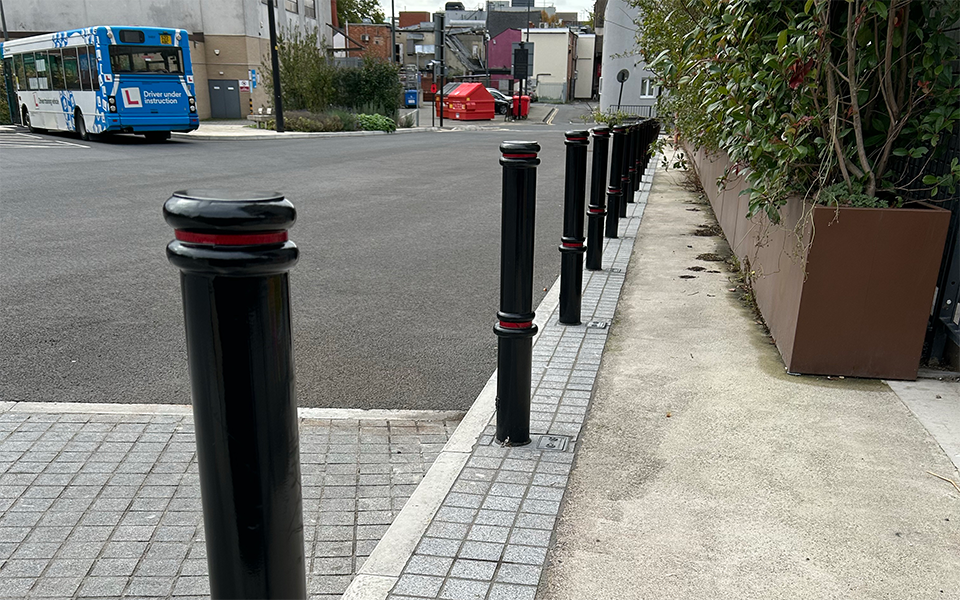
The roots of these cast steel bollards are installed into 89mm retention sockets in areas most likely to be impacted, including either side of tactile paved crossing points, drop kerbs, pavements, and cycle routes, positioned to prevent motorists from unauthorised parking.
All these installations benefit from a reusable foundation. Assets can be removed for maintenance or to create additional space for large vehicles, requiring only a key and spanner to release the furniture quickly and safely.
Result
By installing street furniture in NAL retention sockets, Swindon Borough Council streamlined the installation and maintenance process.
The new system allows for easy adjustment and reorientation of signs, reducing maintenance costs and minimising downtime.
Right: A steel bollard leans off centre after a collision, but the retention socket remains strong and undisturbed, ready to release the bollard when the time comes for replacement.



Client