Delivering a Shallow Solution for Bridge-Based Signal Upgrades
Kirkstall - Leeds


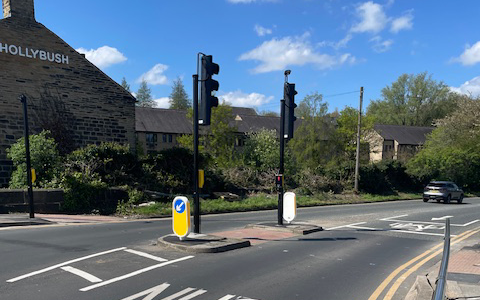
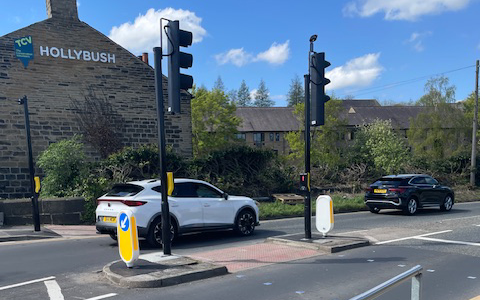
Leeds City Council successfully delivered a traffic signal upgrade at the busy Bradford Road / Wyther Lane junction in Kirkstall, Leeds. This project replaced ageing infrastructure and enhanced the site’s safety, reliability, and operational efficiency.
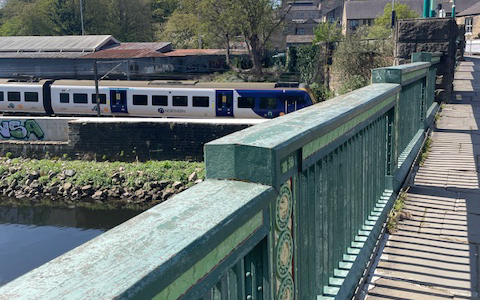
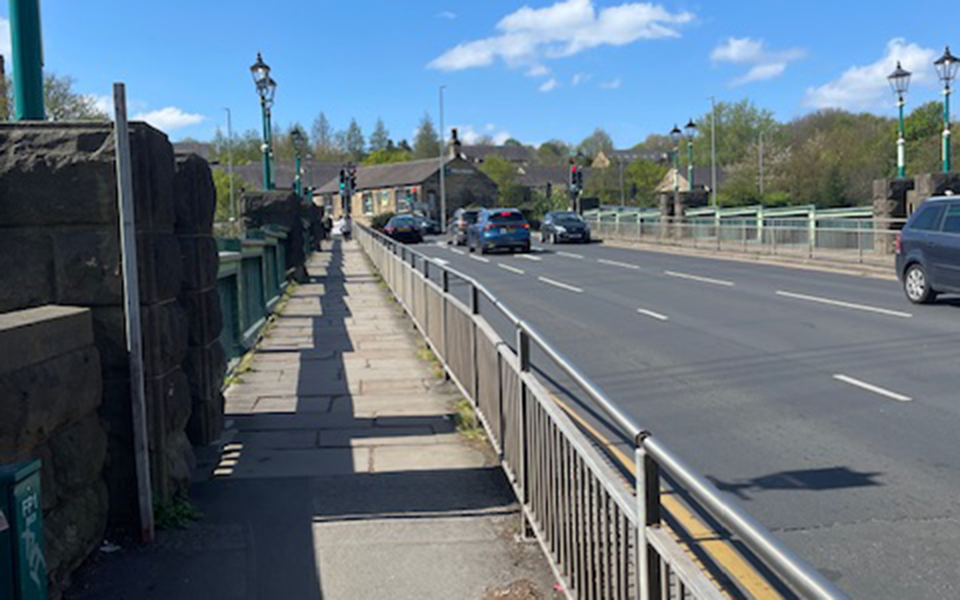
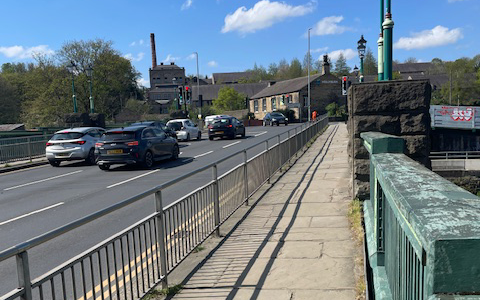
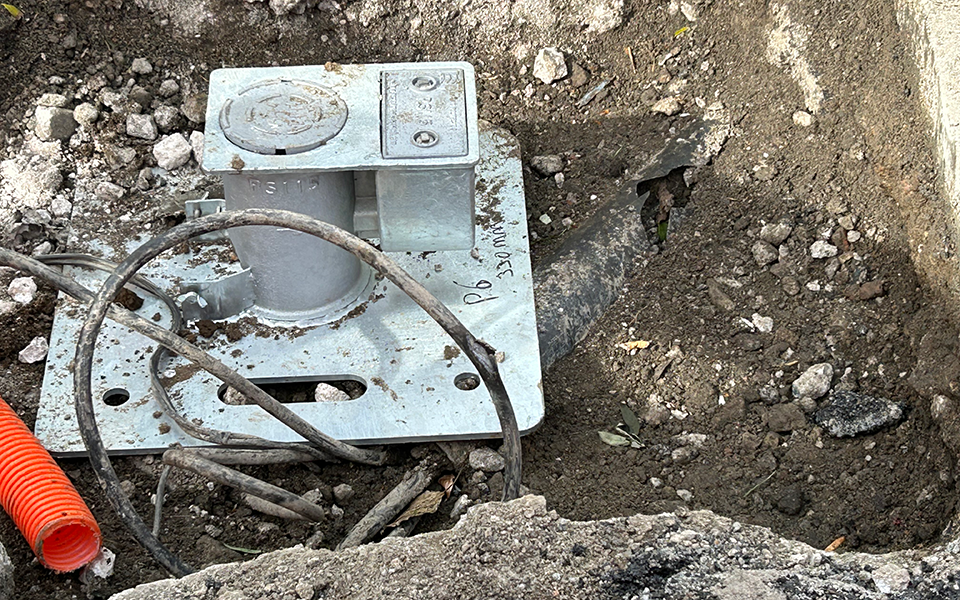
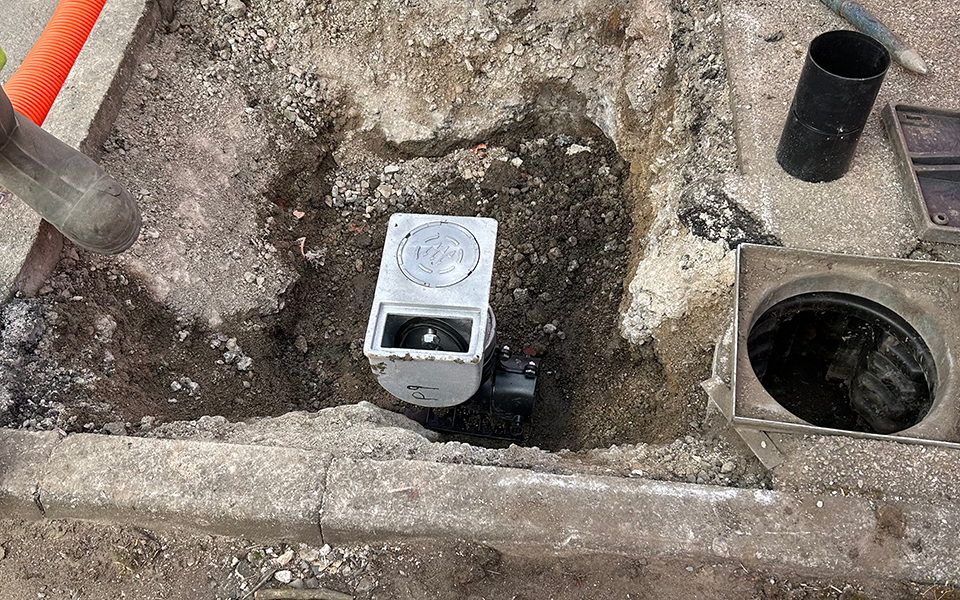
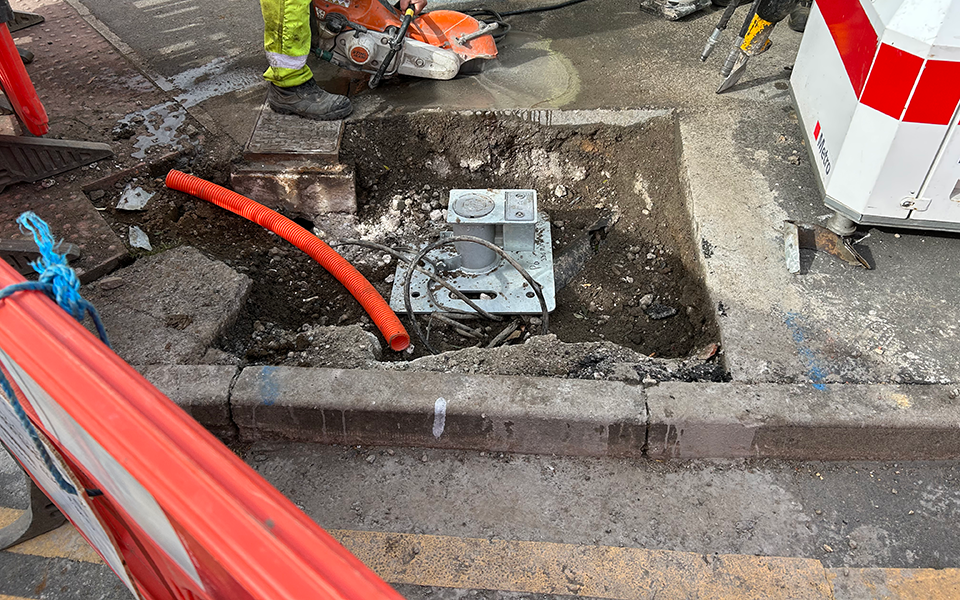
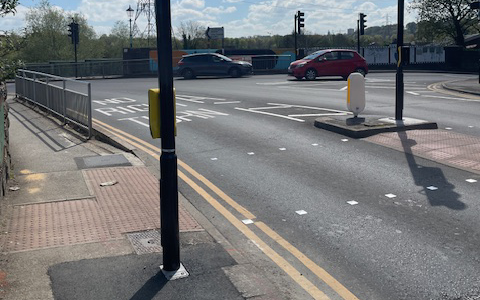
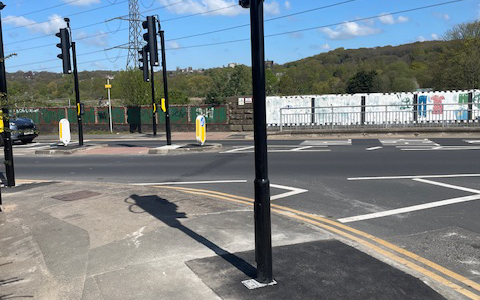
The project presented an unusual engineering challenge. Around 90% of the site sits across two bridge structures, one spanning the River Aire and the other crossing a railway line. This meant conventional pole installations were not suitable. With available planting depths ranging from just 240mm to 410mm, and strict constraints around bridge membranes, buried services, and existing street furniture, Leeds City Council required a robust, maintainable solution that could be adapted to each pole location. Working alongside the project team, NAL provided a shallow foundation retention socket solution that enabled safe installation of eight new traffic signal poles within the site’s severe depth restrictions. The system also supported the wider upgrade from an older 230V halogen installation to a modern, low-energy 48V LED system.
Site challenges
The Bradford Road / Wyther Lane junction serves as a key river crossing for West Leeds. It is strategically important because it carries heavy traffic over both the River Aire and a railway bridge.
The site’s location and underlying bridge structures presented significant engineering and logistical challenges.
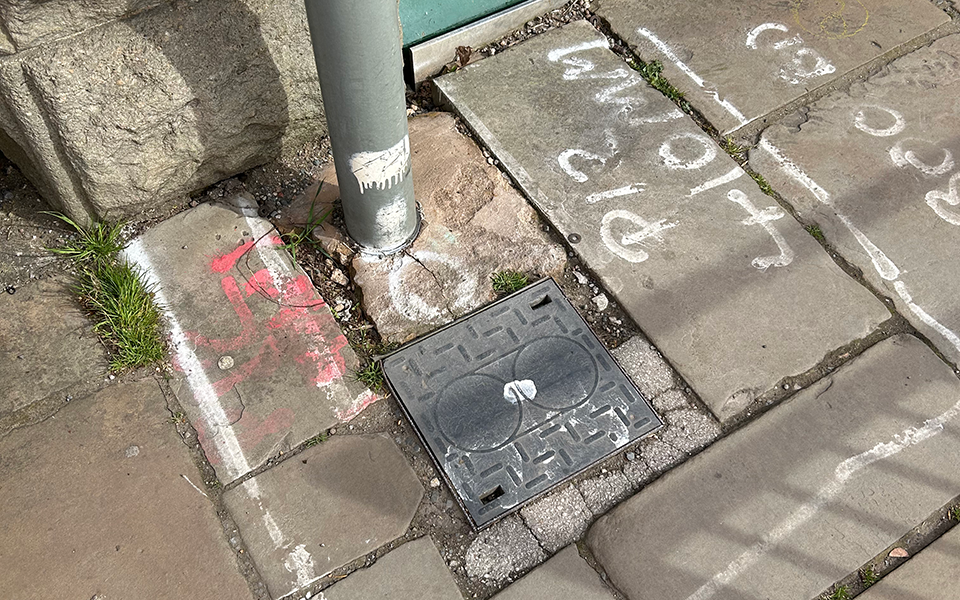
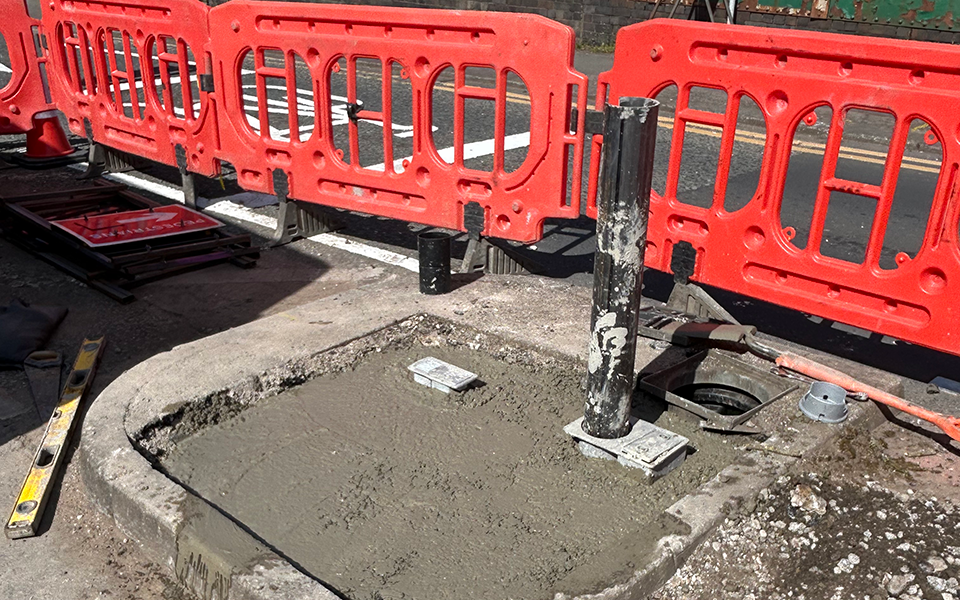
Standard traffic signal poles typically require a planting depth of approximately 700mm. However, at Kirkstall, trial holes revealed available depths between just 240mm and 410mm. In some locations, space was insufficient for traditional foundations, requiring individual assessment of each pole position.
The bridge structures imposed strict limitations on excavation and construction. In several locations, works had to reach the bridge membrane without causing damage. To protect these structures, concrete foundations could not bond directly to the underlying membrane.
Additional constraints included buried services, existing ducting, chambers, kerbs, and the necessity to maintain traffic flow through this busy junction. Previous adaptations had led to a lack of standardisation across the site.
Leeds City Council required a consistent, engineered solution that also allowed for bespoke adjustments where space, depth, or services prevented a standard approach.
Solution
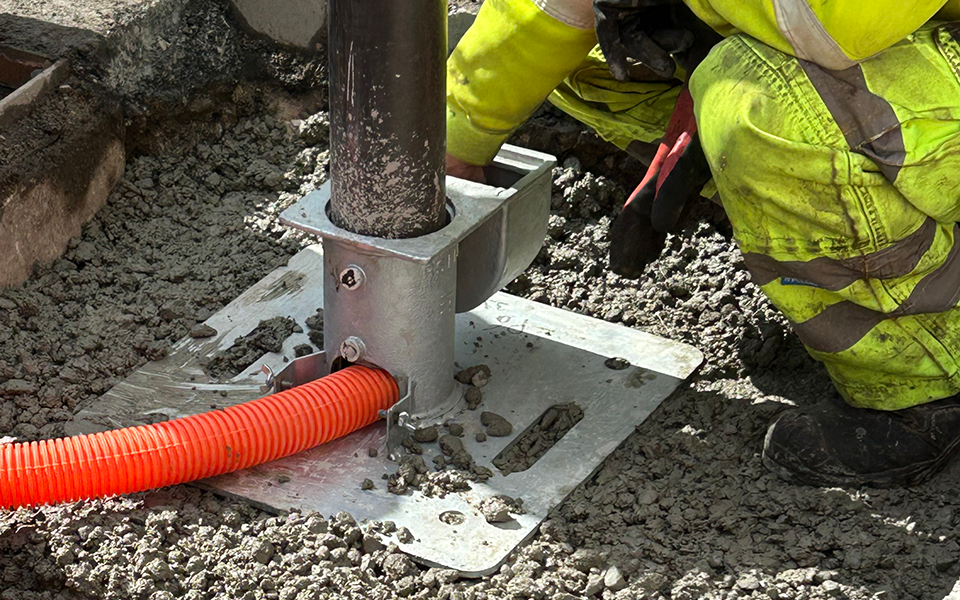
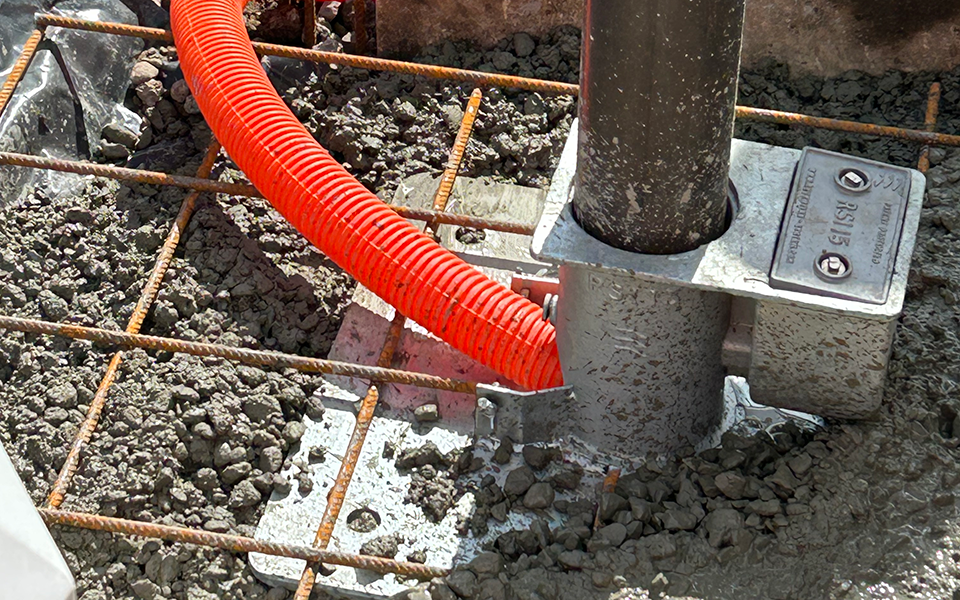
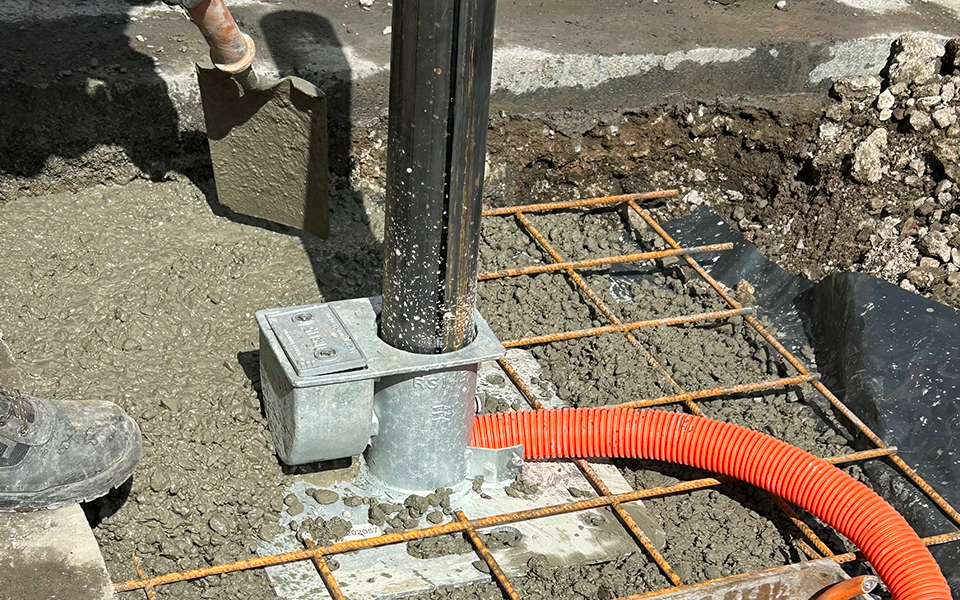
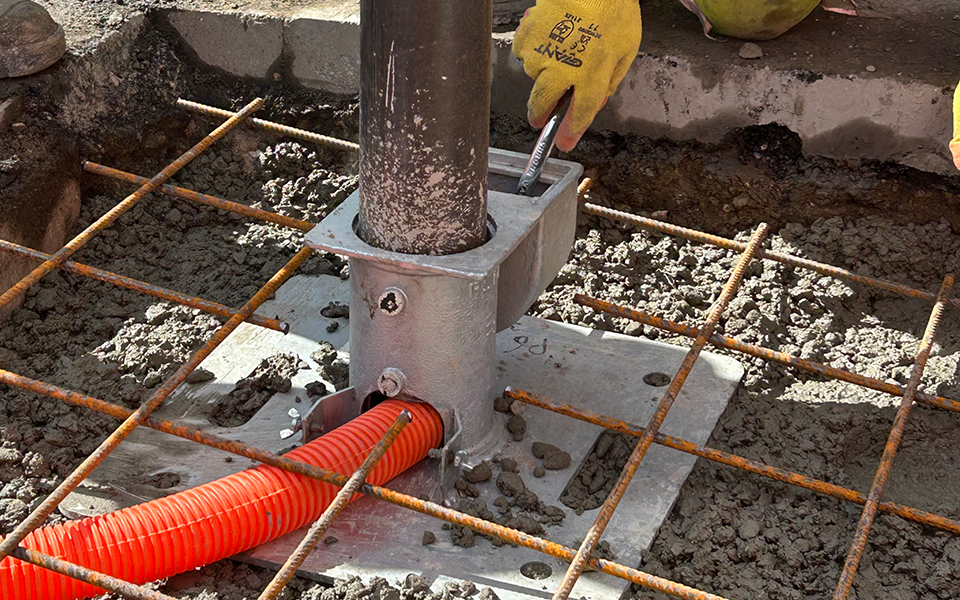
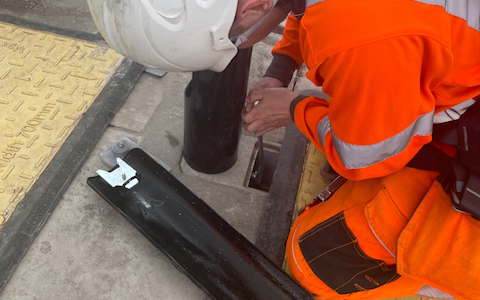
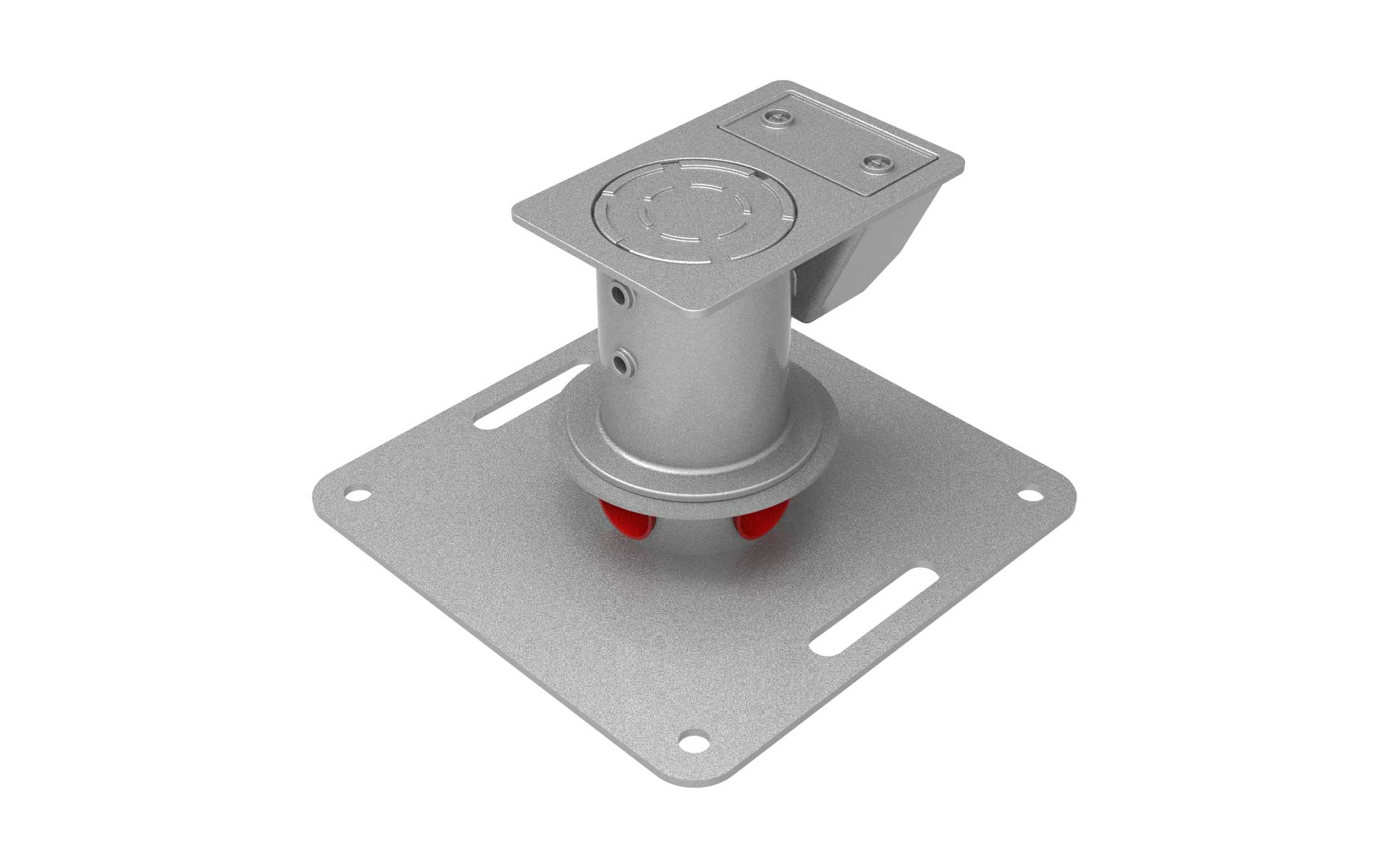
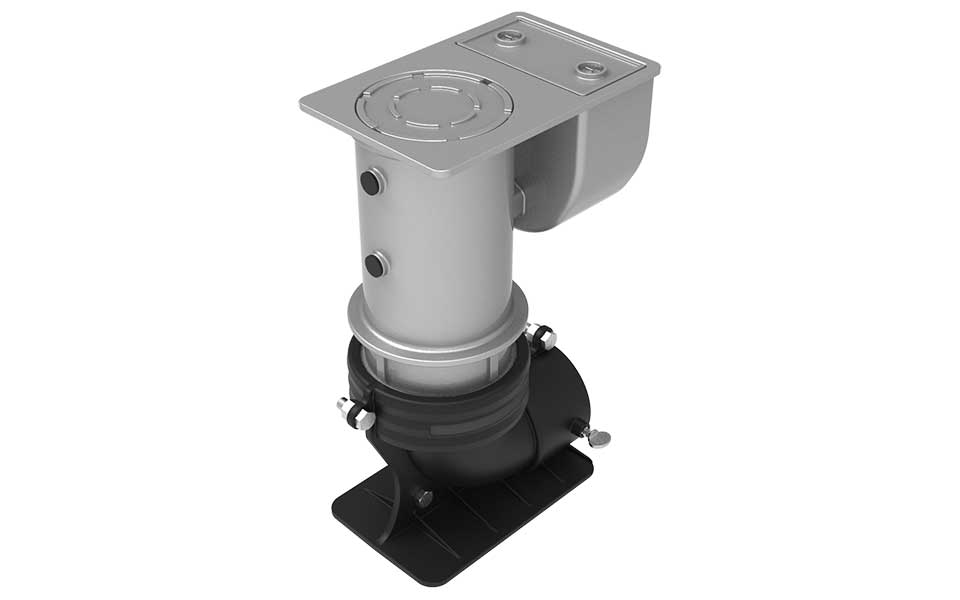
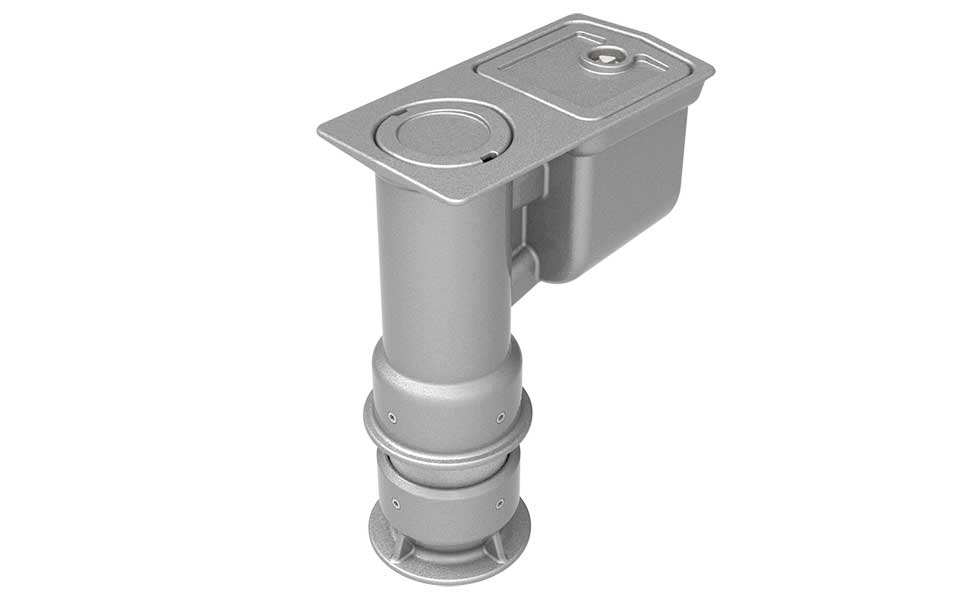
To address these constraints, Leeds City Council adopted a combination of NAL’s duckfoot bend and shallow foundation retention socket systems. NAL collaborated closely with the project team to determine the optimal socket arrangement for each pole and provided technical guidance on the required concrete foundation mass.
Where standard foundation footprints were not feasible because of buried services, nearby structures, or restricted space, NAL delivered prompt technical support to adapt the foundation geometry while maintaining required performance standards. This collaborative approach ensured ongoing progress, even when unexpected challenges arose on site.
A protective layer was implemented to prevent the concrete from bonding to the waterproofing membrane, safeguarding the bridge deck. A393 mesh was placed around the shallow sockets to reinforce the shallow foundation.
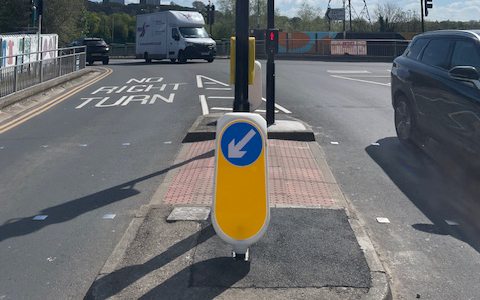
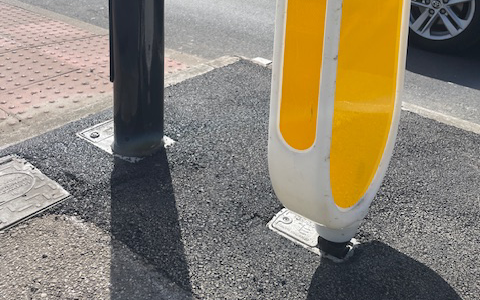
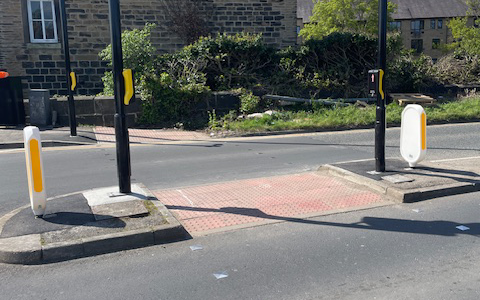
The team implemented the shallow foundation solution across eight pole positions, including those with severely limited depth and constrained footprints. In one area, the team adapted the arrangement around existing street furniture by replacing illuminated bollards with durable, reflective Weebol keep-left bollards, installed via a spigotted base into NAL 50x50mm sockets. This reduced energy consumption and created the space required for the new installation.
Site modernisation
This foundation solution contributed to a broader renewal programme addressing a traffic signal site that had become increasingly challenging to maintain. The existing street furniture was approximately 30 years old and relied on outdated 230V halogen equipment.
As part of the upgrade, Leeds City Council modernised the site with a 48V LED system, replacing the signals and associated street furniture to enhance reliability and reduce energy consumption. New cabling, poles, sockets, and equipment have resulted in a neater, more consistent streetscape and reduced future maintenance requirements.
This was particularly important at a site where access is difficult, traffic management requirements are significant, and future disruption needs to be kept to a minimum.

Client